

Budget Billing Is Not Just for Tight Budgets
Fall and winter already come with enough moving parts: school schedules, holiday spending, colder nights, home projects, and the first real stretch of heating weather. Heating oil should not become the surprise bill that throws everything else off.
That is why Hillside’s Budget Billing Plan can be a smart move whether you are carefully watching every dollar or simply prefer predictable monthly planning.
For homeowners in New Castle County, Cecil County, and Southern Chester County, budget billing turns the heating season from a series of large peak-season bills into steadier monthly payments that are easier to plan around.
Quick Guide: Why Budget Billing Helps Before Winter
| Concern | Why It Matters | Best Next Step |
|---|---|---|
| Large winter delivery bills | Heating oil use usually rises when temperatures fall, so bills can feel uneven from month to month. | Ask about Budget Billing |
| Fuel price uncertainty | Energy forecasts can change with supply, demand, weather, inventories, and crude oil markets. | Use monthly planning instead of waiting for peak-season surprises |
| Busy fall and holiday expenses | Homeowners often face several seasonal costs at the same time. | Enroll before heating season so the plan has time to work |
| Avoidable repair costs | A system that has not been serviced may use more energy or fail when it is needed most. | Pair budget billing with a maintenance plan |
1. Why Heating Oil Bills Can Feel So Uneven
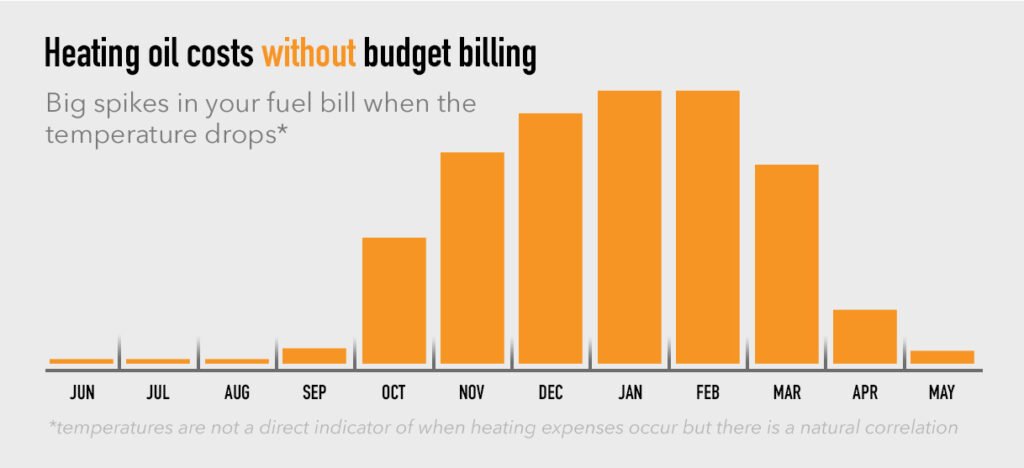
Heating oil expenses are seasonal by nature. A mild month, a cold snap, a larger delivery, holiday travel, guests at home, thermostat habits, and fuel-market movement can all change what a household spends during the heating season.
The U.S. Energy Information Administration’s July 2026 Short-Term Energy Outlook showed residential heating oil projected at an annual average of $4.49 per gallon in 2026 and $3.75 per gallon in 2027, with winter-quarter prices still a meaningful household expense. Forecasts are not promises, but they are a good reminder that planning ahead beats reacting later. See EIA’s energy price table.
Budget billing does not make weather disappear or change how much heating oil a home uses. What it does is make the payment side calmer and more predictable.
2. How Hillside's Budget Billing Plan Works
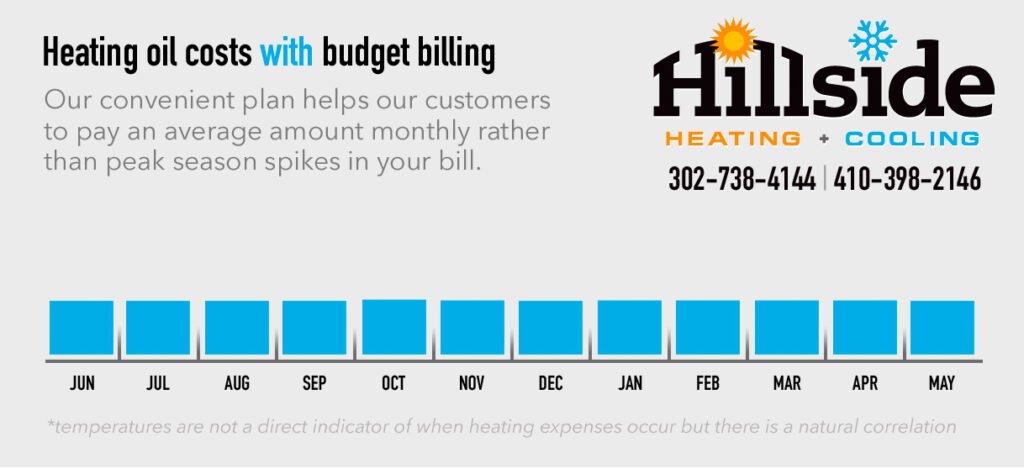
Hillside’s Budget Billing Plan is built around a simple idea: estimate your annual heating oil costs and divide that amount into 12 monthly payments.
According to Hillside’s budget billing page, the budget year starts in the summer so money paid during warmer months can build credit before fall and winter deliveries. The monthly amount is based on average annual gallons multiplied by an estimated average fuel price for the upcoming season. If you are enrolled in a maintenance plan, that can be factored into the monthly payment as well.
That makes the plan useful for more than emergency budgeting. It helps families, retirees, busy professionals, and anyone who likes clean monthly planning avoid the up-and-down feel of peak heating season.
Helpful related links: Budget Billing Plan | Heating Oil Delivery
3. Why Summer and Early Fall Are the Best Times to Start
The earlier you start, the more time your account has to smooth out the heating season. Waiting until the coldest weather arrives can mean you are already facing the larger bills budget billing is designed to prevent.
Summer and early fall are also when homeowners can take a calmer look at the rest of the house: heating equipment, oil tank condition, thermostat settings, insulation, drafty doors, and whether automatic delivery or a maintenance plan would make winter easier.
NOAA’s June 2026 long-lead seasonal discussion expected El Nino conditions to continue into the 2026/2027 winter period, while also noting that seasonal outlooks should be updated as new forecasts come out. Translation for homeowners: the exact winter can still surprise us, so it pays to have the billing and comfort basics handled early. Read NOAA’s seasonal outlook discussion.
4. Budget Billing Plus Automatic Delivery Can Reduce Winter Stress
Budget billing helps with the money side. Automatic heating oil delivery can help with the timing side.
Together, they create a better winter routine: steadier monthly payments, fewer last-minute fuel worries, and less need to watch the weather forecast with one eye on the tank gauge.
Homeowners should still know where their oil tank gauge is and call if anything looks unusual. But the combination of billing predictability and delivery planning can take a lot of seasonal pressure off the household.
Helpful related links: Automatic Heating Oil Delivery | Heating Oil Tank Gauge Chart
5. More Ways to Save Before Fall and Winter Expenses Hit
Budget billing helps organize heating oil expenses, but the best winter plan also looks at how the home uses heat. The U.S. Department of Energy says homeowners can save as much as 10% a year on heating and cooling by setting the thermostat back 7 to 10 degrees for 8 hours a day, and it recommends around 68 to 70 degrees while awake in winter, then lower while asleep or away. Read DOE thermostat guidance.
DOE also points to air sealing and insulation as important comfort and savings steps. Caulking, weatherstripping, sealing obvious drafts, and improving insulation can reduce heat loss so the heating system does not have to work as hard.
- Schedule heating maintenance before the first cold stretch
- Replace or check air filters regularly
- Seal drafts around doors, windows, plumbing penetrations, and other leak points
- Review attic and basement insulation concerns
- Use a programmable or smart thermostat thoughtfully
- Keep vents, radiators, and returns clear
- Know your oil tank gauge and delivery routine
- Ask about LIHEAP if your household may qualify for assistance
Helpful related links: Maintenance Plans | Smart Thermostats | LIHEAP
6. Maintenance Plans Help Protect the Budget You Just Built
A monthly budget plan helps avoid uneven fuel bills. A maintenance plan helps reduce the chance that an avoidable heating problem turns into an emergency expense.
That matters because winter costs are not only about fuel. A no-heat call, neglected equipment, clogged filters, ignition problems, poor airflow, or system wear can all create stress at the worst time of year.
If you are setting up budget billing, it is a natural time to review whether your heating equipment is ready for the season and whether a Hillside maintenance plan should be part of the same monthly planning conversation.
Helpful related links: Maintenance Plans | Heating Tune-Up
7. Local Planning for DE, MD, and PA Heating Oil Customers
Hillside serves heating oil customers across New Castle County, Delaware; Cecil County, Maryland; and Southern Chester County, Pennsylvania. That local footprint matters because heating needs are not abstract. They are tied to the homes, roads, weather patterns, and winter routines in the communities we serve every day.
If you want fewer surprises this fall and winter, start with the simple question: would you rather handle heating oil through larger seasonal bills, or would you rather plan it across the year?
For many homeowners, budget billing is the cleaner answer.
Frequently Asked Questions
Is heating oil budget billing only for people on a tight budget?
No. Heating oil budget billing is useful for anyone who wants steadier monthly payments instead of larger seasonal bills. It can help households on a strict budget and homeowners who simply prefer predictable planning.
When should I sign up for Hillside's Budget Billing Plan?
Summer or early fall is ideal because Hillside's budget year starts in the summer. Starting early gives your account time to build credit before fall and winter heating oil deliveries.
How does Hillside calculate the monthly budget billing payment?
Hillside estimates your total annual fuel cost based on your average annual gallons and an estimated average fuel price for the upcoming season, then divides that amount into 12 monthly payments.
Can a maintenance plan be included with budget billing?
Yes. Hillside says that if you are enrolled in a maintenance plan, that cost can be factored into your monthly budget billing amount.
What else can help lower winter heating costs?
Heating maintenance, thermostat setbacks, sealing drafts, improving insulation, checking filters, using automatic delivery, and reviewing LIHEAP eligibility can all help homeowners plan for fall and winter expenses.
Plan Heating Costs Before Winter Starts
Want steadier monthly heating oil payments before the coldest weather arrives? Hillside can help you review Budget Billing, heating oil delivery, automatic delivery, and maintenance plan options.
DE & PA: 302-738-4144 | MD: 410-398-2146
Sign Up for Budget Billing | Heating Oil Delivery | View Maintenance Plans